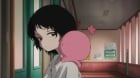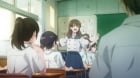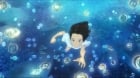
Combining rotoscoped public domain footage from the 1962 cult classic ‘The Brain That Wouldn’t Die’ with original 2D/3D animation, the music video presents a surreal meditation on psychological concealment.
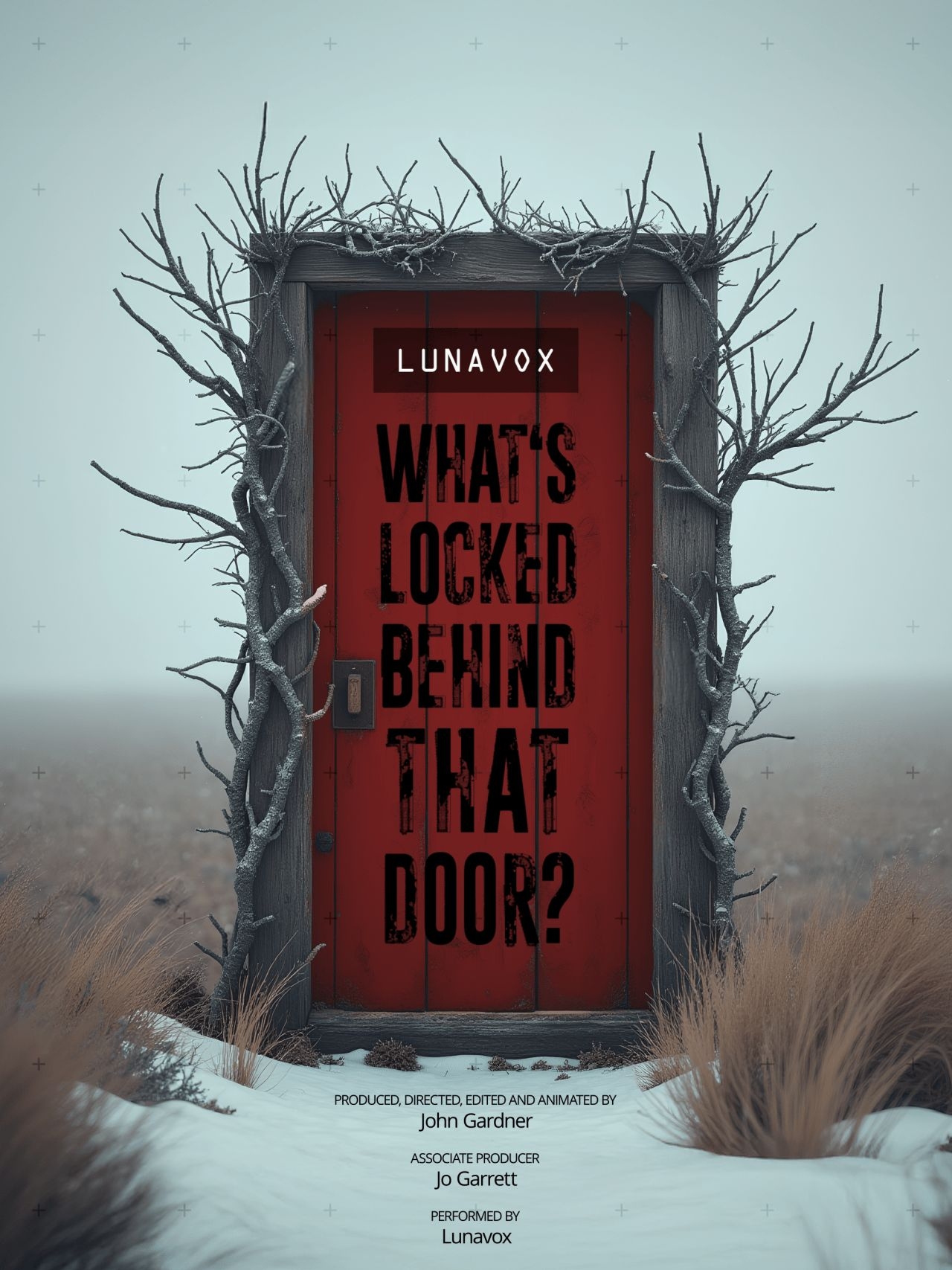 Director and composer John Gardner has shared with AWN a detailed look into his new music video, What’s Locked Behind That Door?. The short, produced by Lunavox and Sly Dog Studio, combines rotoscoped public domain and archival footage from the 1962 cult classic, The Brain That Wouldn't Die, with original 2D/3D animation, creating a surreal meditation on psychological concealment. As both composer and director, the Raleigh, North Carolina-based Gardner developed the music and visuals in tandem; the song's rhythm shapes the visual pacing while the door imagery influences the score.
What’s Locked Behind That Door? recently won Best Music Video at Carolina Film Festival and is a finalist at Night Flight Music Video Film Festival. The piece also received an Honorable Mention at Video Art & Experimental Film Festival.
According to Gardner, the film presents a series of metaphorical doors that open onto the full spectrum of human emotion, drawing viewers into a surreal journey through fear, desire, and obsession. These portals also frame the chilling descent of a scientist whose relentless experiments lead him into darkness. Guided by the song's pulsing rhythm, the two narratives intertwine as human vulnerability and scientific ambition collapse into a single vision of corruption and revelation.
Asked whether he began the project by looking to visualize the song, or as an expansion of his 2D, 3D, Gen AI and public domain footage mashup ideas, Gardner tells AWN, “This project began from a place of frustration. I was tired of rigid brand guidelines, vague client briefs, and the heavy-handed corporate oversight that comes with navigating a million stakeholders. I wanted to break free and do something purely creative. So, I picked up my guitar and quickly developed a basic framework for the song. Since it was going to be instrumental, I needed a narrative anchor, something to pull listeners in and complement the haunting themes. As a longtime MST3K [Mystery Science Theater 3000] fan, I had watched The Brain That Wouldn’t Die countless times, and I’ve always found it fascinating beyond the mockery it receives. Knowing it was in the public domain, I dove into the film for dark narrative themes to compliment and weave into the track. It wasn’t until the song was finished that the idea of a music video actually crystallized.”
Gardner continues, “I kept thinking about the scientist character and his act of hiding something behind a door. That simple, eerie theme struck me as a perfect metaphor for the music: secretive, mysterious, and slightly unsettling. The door became both a literal and figurative anchor for the music video, representing the hidden rooms of the mind, the things we conceal, and the tension between revelation and denial, and of course the corruption of science.”
Enjoy the music video, then continue reading about the production:
Gardner’s short has roots in his corporate and studio motion graphics work. Several years ago, he was tasked with creating a series of YouTube shorts. He pitched the idea of using archival footage, another nod to MST3K. “The goal was to make the shorts engaging, whimsical, and slightly odd,” he explains. “After producing one example, I got the greenlight to continue in the same vein. I found digging through archival footage incredibly enjoyable, a process which naturally fed into this music video. More broadly, corporate work and short films share a lot in terms of skill transfer — particularly learning new techniques in After Effects. For example, using Essential Graphics out of necessity for clients now allows me to be far more efficient on personal projects.”
In the short, 2D and 3D animation are combined with AI-generated door variations and carefully selected archival material from public domain sources, all composited in Adobe After Effects. Rotoscoping and match moving techniques merge eras and textures, creating a dreamlike space where reality and imagination flow together. A black and white palette, interrupted by sudden flashes of color, mirrors the journey from denial to exposure and heightens the tension between concealment and truth.
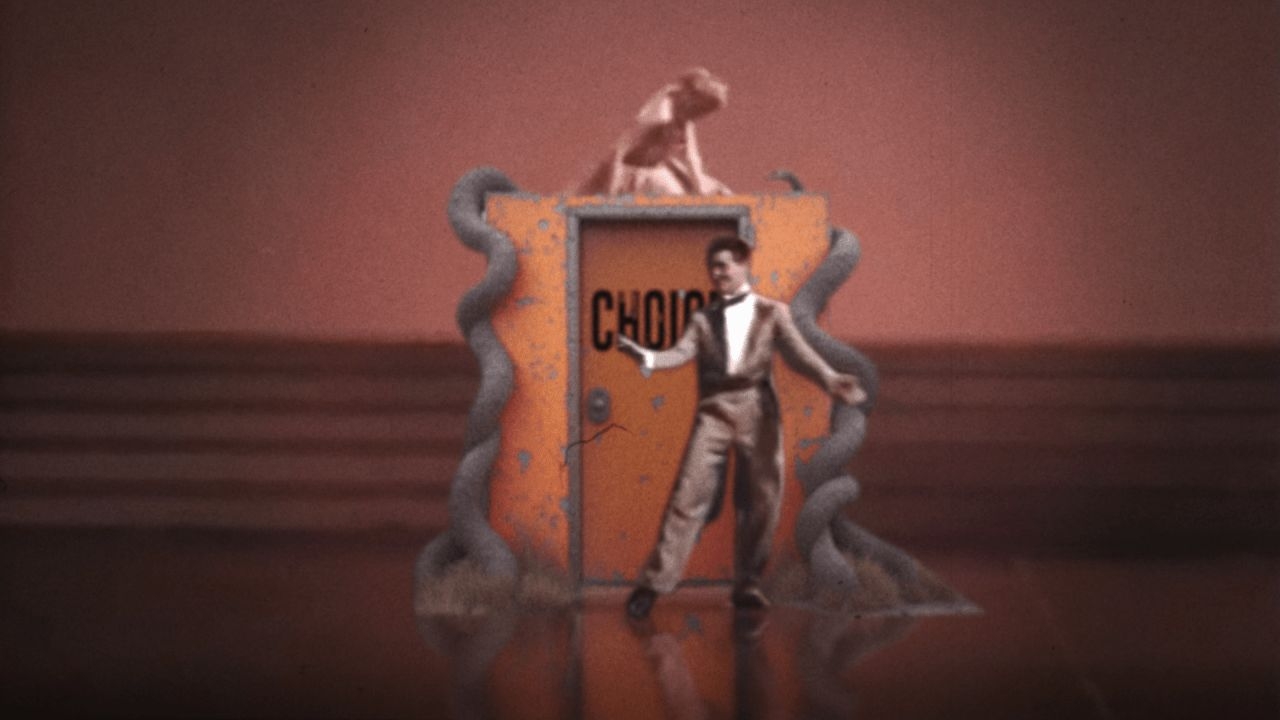
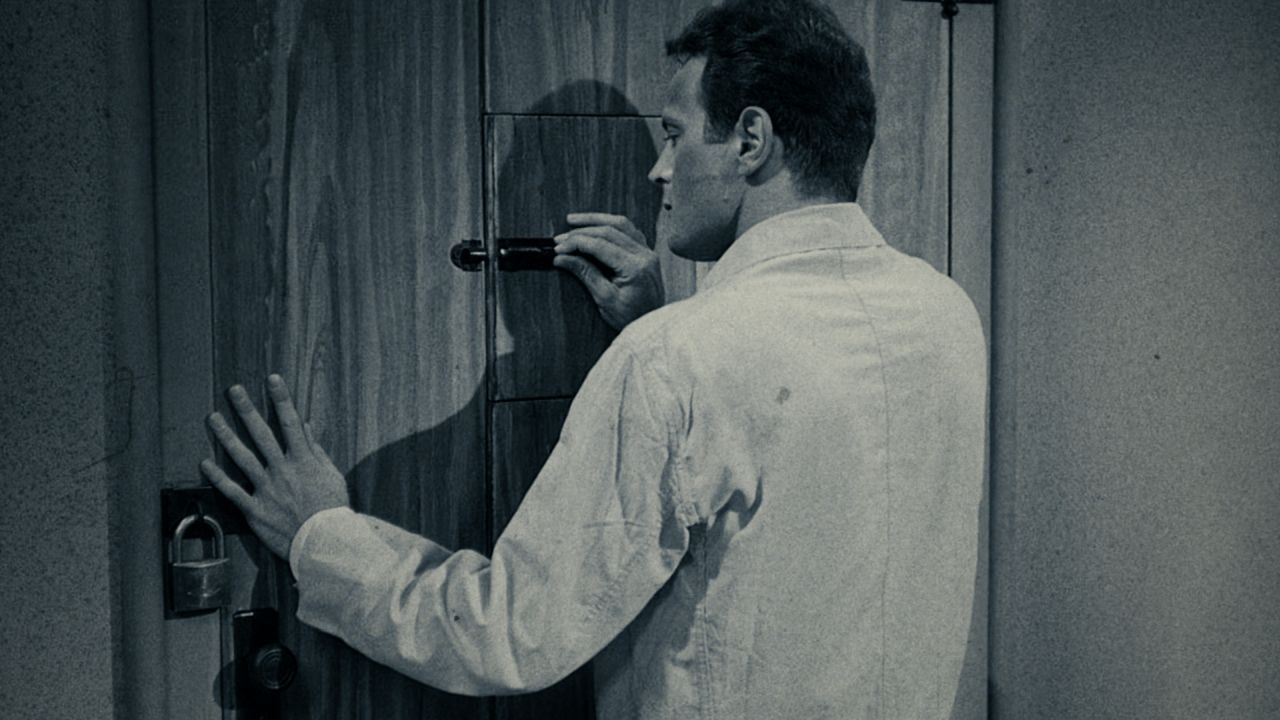
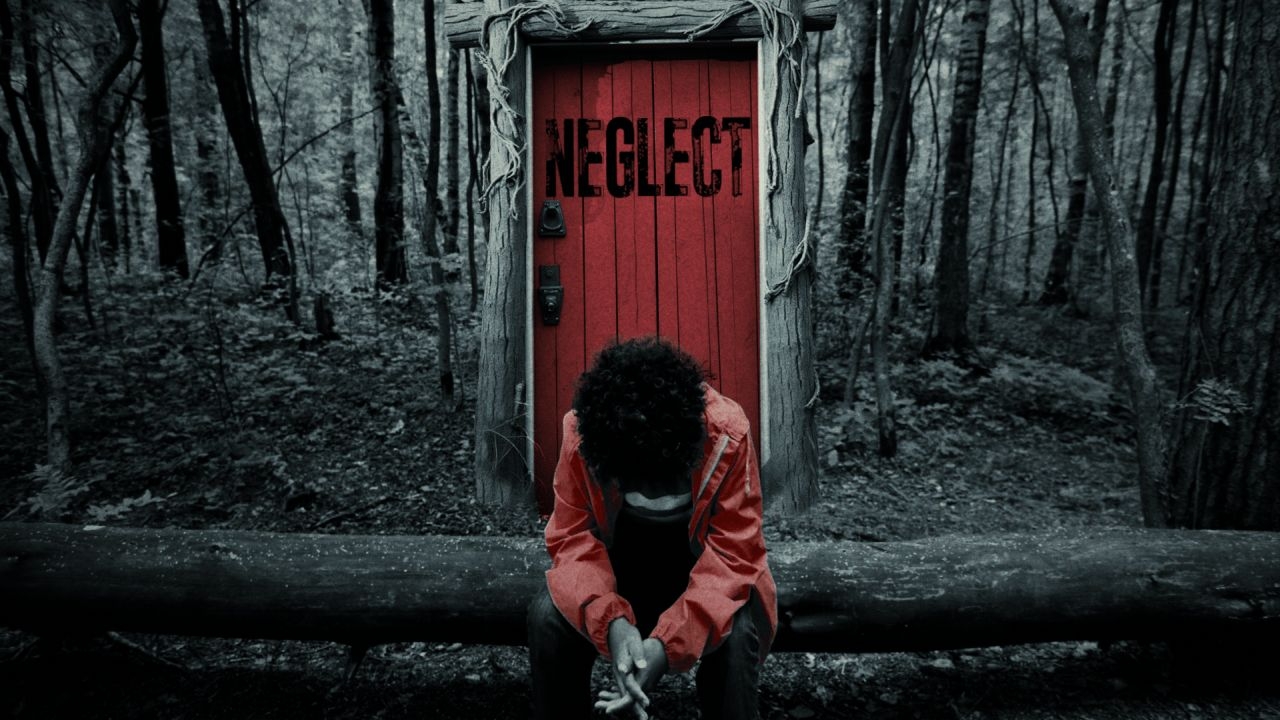
What’s Locked Behind That Door? took around 10 months to complete; Gardner worked without a script, storyboard, or animatic. “My goal was to break away from my typical production process,” he notes. “I wanted to explore and stumble into things. I wanted to surprise myself. I wanted my muscle memory and instincts to lead the way, and allow myself to observe the outcomes, then react and start making connections and refining ideas.”
Like so many other independent filmmakers, one tremendous challenge was balancing the needs of the production with the realities of a full-time career and raising a family. The proverbial “finding the time to make my film.” “One challenge was being accountable to myself and following through on completing the task,” he says. “To push myself to work late at night. To set aside time on weekends and work. What helped me push through was breaking down problems into smaller chunks, then setting a goal for myself to find a solution for one problem.”
“This reveals the other big challenge - all the constant setbacks, because often the idea or solution would fail,” he adds. “But in each failure, there was something closer to what I felt the music video should convey, and this kept me motivated and encouraged.”
A trick Gardner often employs in his projects is introducing a new technology or technique to keep things fresh… and full of new challenges. “This often creates more engagement on my part because I am learning something new while I create,” he says. “The technology that I brought into this project was using AI imagery via comfyUI & Flux. It was the natural solution considering the amount of content that I needed to create… meaning thousands of customized doors.”
But by far the biggest challenge for Gardner was the narrative. He concludes, “There were many false starts before things started to come together. Perhaps I should have had a storyboard? Nahhh...”

Dan Sarto is Publisher and Editor-in-Chief of Animation World Network.